
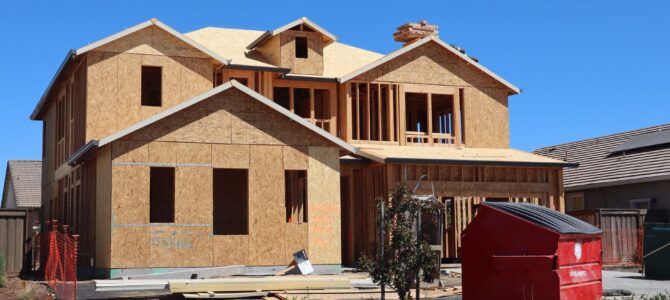
A single 20-yard dumpster can swallow an entire backyard demolition without ever being overloaded or run out of room too early, but only if you fill it in the order the debris comes apart. Most people who end up making a second haul didn’t run short on space. They ran short on planning, tossing whatever was closest until the light, bulky material filled the box while a pile of heavy pavers still sat on the ground.
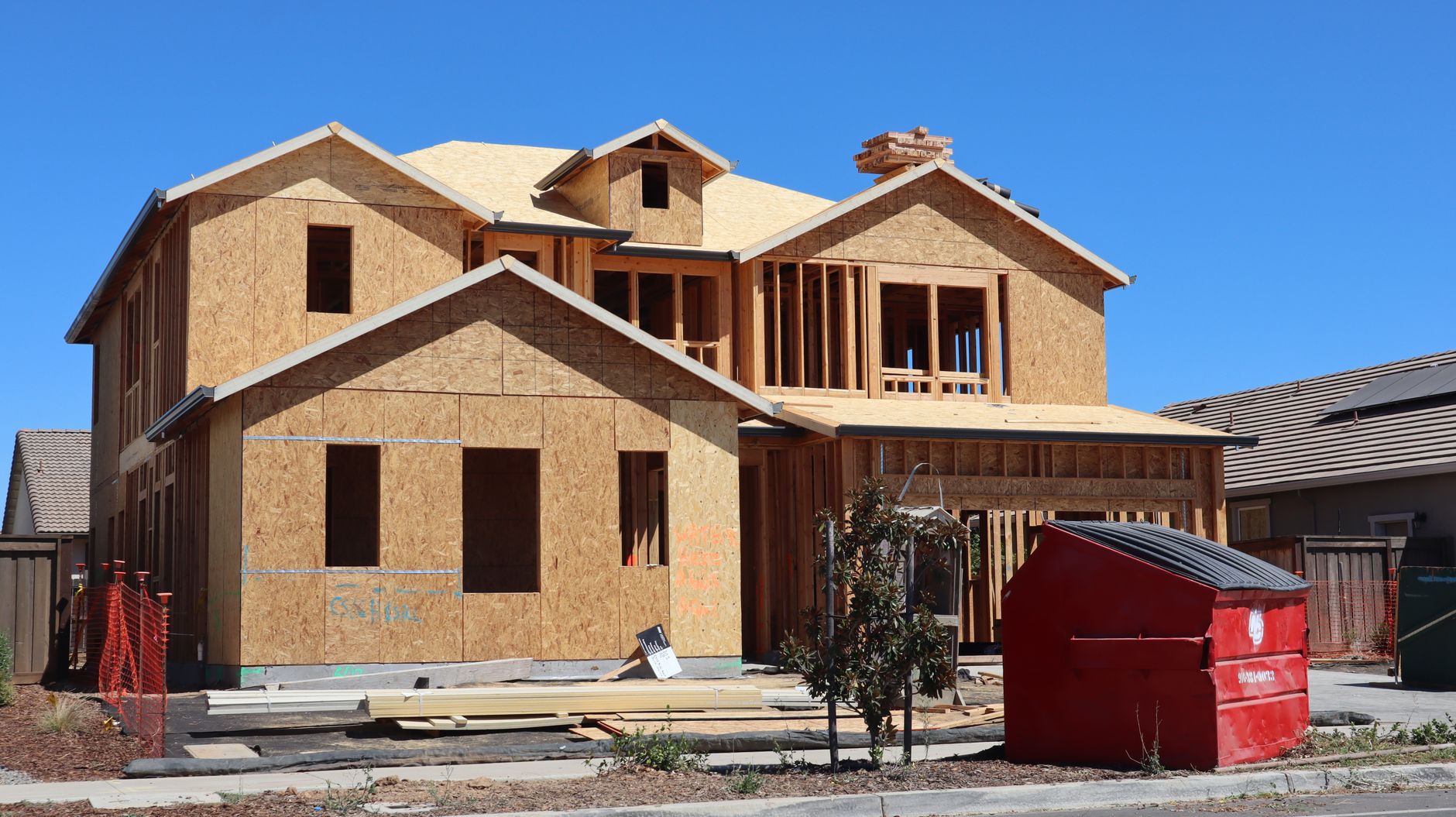
The trick is to think of the container as a layered stack, not a bin you fill from wherever you happen to be standing. Dense, heavy debris belongs at the bottom. Light, awkward material belongs at the top. If you demolish in the wrong sequence, you fight physics the whole way.
Map the Teardown Order
Before you swing a single hammer, walk the yard and rank each structure by how heavy its debris will be per cubic foot. Pavers and old gravel are dense. A wood pergola and spa shell are bulky but relatively light. That ranking tells you what to demolish first and in what sequence to feed the container.
The rule is simple: demolish in the same order you plan to load. Heavy first, bulky last. That means you don’t touch the pergola until the pavers are lifted and staged, even if the pergola is the eyesore you most want gone. Fight the urge to start with the satisfying stuff.
Stage your material in separate zones as you go. Give the pavers one spot, the spa another, the pergola lumber a third, and the gravel its own tarp. When each category has a home on the ground, loading becomes a matter of moving from pile to pile rather than sorting on the fly.
Pull the Dense Rubble First
Lift the patio pavers by hand or with a flat bar and stack them onto the tarp. Break out any concrete footings or mortar beds at the same time. This is the material that goes into the dumpster before anything else, laid across the floor of the container in a flat, even layer rather than heaped in one corner.
Spreading the dense rubble evenly does two things. It keeps the container’s weight centered so the pickup goes smoothly, and it builds a stable base that later layers can rest on without shifting during transport. Resist stacking pavers waist-high in one section. A level floor of heavy debris is what you’re after.
Old spas are the wildcard here. If yours has a fiberglass or acrylic shell, cut it into sections with a reciprocating saw and place the pieces flat over the rubble. The shell nests down into gaps and takes up less room broken apart than it ever would whole.
Layer the Wood and Bulky Frames
With the floor built, the pergola comes down next. Disassemble it rather than dropping it in one piece: knock the beams free, pull the posts, and cut the longest members down so they lie flat. Whole framing spans across the container and wastes the air beneath it. Cut lumber packs tight.
Lay boards in the same direction, alternating layers the way you’d stack firewood, and press each course down before adding the next. Toss in any lattice, fence panels, or trim during this stage. Wood is forgiving because it compresses and interlocks, so this is the layer where you claw back the space careless loading usually squanders.
Top Off With Gravel and Scraps
Gravel goes in last for a reason. It flows into every remaining void, filtering down between boards and settling into the gaps the rigid material left behind. Shovel or wheelbarrow it in across the top and let it work its way down instead of dumping it all in one place.
This is also the moment to sweep up the loose debris the demolition scattered: broken paver chips, screws, splinters, and drip-line tubing. Booking a right-sized box up front from a local outfit like Herbert Bros Dumpster Rental keeps this final layer from becoming the reason you need a second container. When the gravel and scraps have filled the last pockets, the load sits level and dense, and nothing has to come back out.
Once the yard is cleared, walk it one more time before the haul-away and rake the exposed ground flat. Loose gravel and buried anchor bolts have a way of surfacing weeks later, so a quick pass now saves you a stubbed toe and a flat tire down the road.